Best Supplements for Women Runners — Performance, Recovery and Hormonal Health
The best supplements for women runners address the intersection of endurance training demands and female-specific physiology — iron loss through both menstruation and foot-strike haemolysis, bone stress fracture risk, hormonal disruption from high training volumes, and the anti-inflammatory requirements of high-mileage recovery. The best supplements for women runners are meaningfully different from general running supplements because female runners face specific deficiency risks that male runners do not.
Iron — The Most Critical Supplement for Women Runners
Iron deficiency is the most common nutritional deficiency in female endurance athletes — affecting an estimated 30-50% of women runners. The causes are compounding: menstrual iron loss, foot-strike haemolysis (red blood cell destruction from repeated impact), sweat iron losses, and the increased haemoglobin production demands of endurance training. Even sub-clinical iron deficiency (low ferritin without anaemia) significantly impairs VO2 max, endurance performance, and recovery. Iron bisglycinate taken with vitamin C for absorption enhancement is the most tolerated and effective supplemental form. Test ferritin annually — targets for endurance athletes are typically 50-80 µg/L rather than the standard lower reference range.
PHS VERIFIED PICK
Thorne Iron Bisglycinate
WHY WE PICKED THIS:
Evidence Score: 4.1/5 | 19 RCTs
Typically £12–18 · 60 capsules · 2-month supply
We earn a small commission on this link. It never affects which products we recommend.
Vitamin D — Bone Health and Stress Fracture Prevention
Stress fractures are the most common serious running injury, occurring significantly more frequently in women than men. Vitamin D deficiency is an independent risk factor for stress fracture — it impairs calcium absorption, bone mineralisation, and the muscle function that protects bone from impact loading. Vitamin D3 + K2 supplementation to achieve sufficiency (target 75-100 nmol/L) is a foundational injury prevention strategy for women runners, alongside adequate calcium intake and progressive training load management.
PHS VERIFIED PICK
Nutricost Vitamin D3 + K2
WHY WE PICKED THIS:
Evidence Score: 4.5/5 | 31 RCTs
Typically £12-16 · 120 capsules · 4-month supply at 1 per day
We earn a small commission on this link. It never affects which products we recommend.
Calcium — Bone Density Under Endurance Training Stress
Endurance running increases bone turnover, and inadequate calcium intake during high-mileage training periods can lead to net bone loss even in otherwise healthy women. Dietary calcium targets for female endurance athletes are 1,200-1,500mg daily — significantly above standard recommendations. Calcium citrate supplementation addresses the gap when dietary intake is insufficient, particularly for runners following plant-based or dairy-restricted diets.
Magnesium — Muscle Function and Recovery
Magnesium is depleted through sweat losses during long runs and is essential for muscle contraction, relaxation, and oxygen utilisation. Deficiency produces muscle cramps, impaired recovery, and disrupted sleep — all common complaints in high-mileage female runners. Magnesium glycinate at 300-400mg before bed addresses exercise-related magnesium depletion while supporting the sleep quality that recovery depends on.
PHS VERIFIED PICK
Thorne Magnesium Bisglycinate
WHY WE PICKED THIS:
Evidence Score: 4.2/5 | 23 RCTs
Typically £12-16 · 120 capsules · 2-month supply
We earn a small commission on this link. It never affects which products we recommend.
Omega-3 — Inflammation Management and Joint Health
High-volume running creates significant inflammatory load from tissue micro-damage. Omega-3 EPA+DHA at 2g daily reduces inflammatory cytokines, supports joint cartilage health, and provides the mood-stabilising effects relevant for female runners at risk of Relative Energy Deficiency in Sport (RED-S).
PHS VERIFIED PICK
Nordic Naturals Ultimate Omega-3
WHY WE PICKED THIS:
Evidence Score: 4.3/5 | 27 RCTs on cardiovascular health + depression in women
Typically £22-28 · 60capsules · (30 days at 2 caps/day)
We earn a small commission on this link. It never affects which products we recommend.
Frequently Asked Questions
Do women runners need different supplements than men?
Yes — iron and calcium requirements are significantly higher for female runners due to menstrual losses and higher bone stress fracture risk. Vitamin D becomes more critical given its role in calcium absorption for bone health. The anti-inflammatory requirements are similar, but the foundation supplements differ materially between sexes.
How do I know if I’m iron deficient as a runner?
Annual ferritin testing through a GP is the most reliable method. Classic symptoms — unexplained fatigue, declining performance, breathlessness at familiar paces, increased perceived effort — should prompt testing rather than waiting for the annual check. Request ferritin specifically; haemoglobin alone misses the most common presentation in athletes.
Women’s Health Guides
Not Sure Which Supplements Actually Matter?
Start with our evidence-based women’s guides and free nutrient quiz. Built for energy, hormones, sleep, bones and everyday health after 40.
Explore Women’s Guides →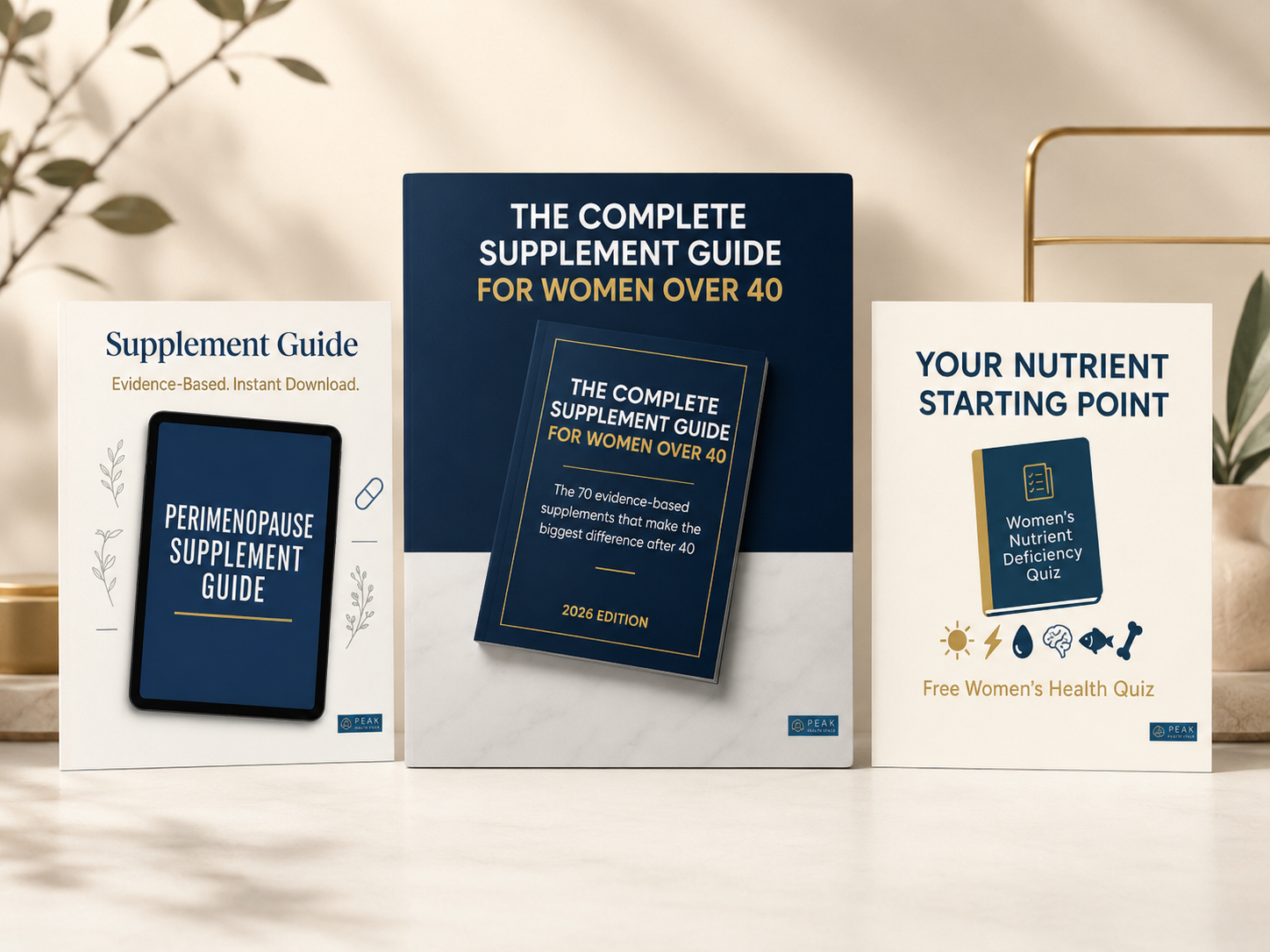
Related Guides
- Best Supplements for Runners
- Best Iron Supplement
- Vitamin D Deficiency Symptoms
- Best Supplements for Women Over 40
For more evidence-based running and women’s health guides, visit peakhealthstack.com.

Stop Guessing Which Supplements Are Actually Working.
Your Peak Stack helps you log your supplements, track how you feel, and get AI-powered guidance on what is helping, what may be clashing, and what to adjust next.