Best Iron Supplement — How to Supplement Without the Side Effects
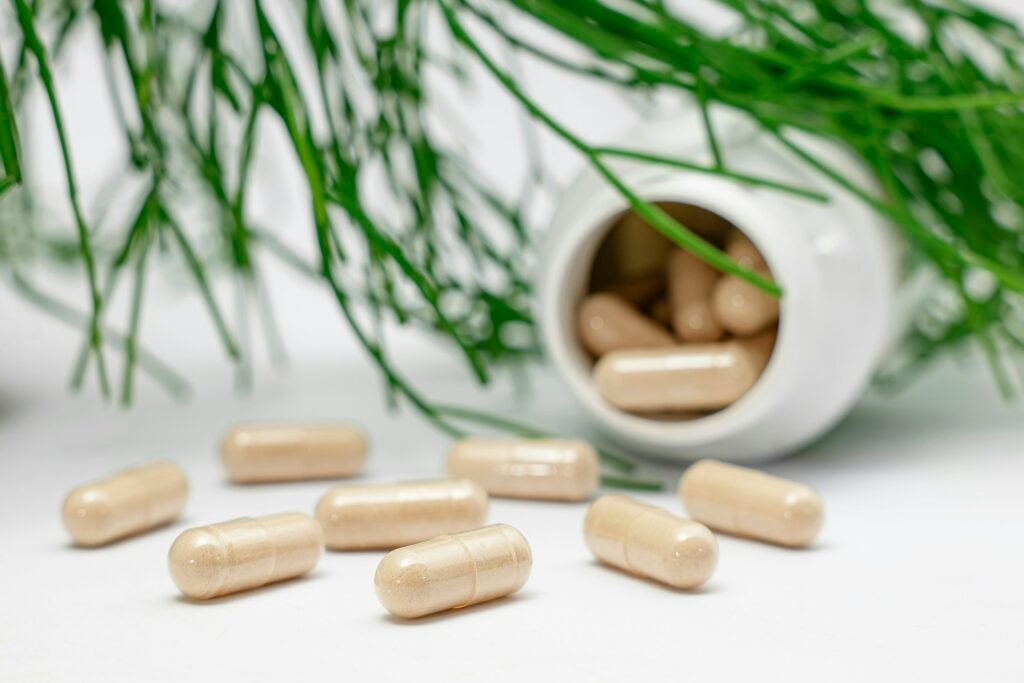
The best iron supplement is not the one your GP prescribes by default — it is the one you can actually take consistently without gastrointestinal side effects derailing the whole process. Iron deficiency is the most common nutrient deficiency worldwide, and yet iron supplementation has a notoriously poor compliance rate due to the constipation, nausea, and stomach cramps that many standard iron supplements cause. Choosing the right form changes this entirely.
Iron is essential for haemoglobin production — the protein in red blood cells that carries oxygen from the lungs to every tissue in the body. Iron deficiency anaemia causes fatigue, breathlessness, brain fog, impaired physical performance, reduced immune function, and in women of reproductive age, hair loss and brittle nails. Even sub-clinical iron deficiency (low ferritin without frank anaemia) measurably impairs cognitive function and exercise capacity.
Iron Forms Compared
Iron supplements come in several forms with significantly different tolerability and absorption profiles. Ferrous sulphate is the standard NHS prescription iron — it is cheap, well-absorbed, and causes the most gastrointestinal side effects. Ferrous gluconate and ferrous fumarate are better tolerated alternatives with good absorption. Ferric forms (ferric sulphate, ferric orthophosphate) are less well absorbed than ferrous forms.
Iron Bisglycinate is the clear recommendation for anyone who has struggled with side effects from standard iron supplements. The glycine chelation significantly reduces the free iron in the gut that causes irritation — meaning it produces far fewer gastrointestinal symptoms while maintaining good bioavailability. Multiple studies confirm that iron bisglycinate produces equivalent iron repletion to ferrous sulphate at lower doses with markedly better tolerability.
Who Needs Iron Supplementation
Women of reproductive age have the highest iron requirements due to monthly blood loss. Pregnant women have significantly elevated needs. Vegetarians and vegans absorb non-haem iron (from plant sources) at roughly 5–10% efficiency compared to 20–30% for haem iron (from animal sources). Endurance athletes — particularly female runners — experience elevated iron losses through foot-strike haemolysis, sweat, and gastrointestinal microbleeding. People who regularly donate blood need to actively replenish iron stores.
Maximising Iron Absorption
Taking iron with Vitamin C significantly enhances non-haem iron absorption — vitamin C converts iron to the more absorbable ferrous form and reduces the inhibitory effect of phytates and tannins. This is particularly valuable for vegetarians and vegans. Conversely, calcium, tannins in tea and coffee, and high-fibre foods all inhibit iron absorption and should ideally be consumed separately from iron supplements. Taking iron on an empty stomach maximises absorption but may increase GI symptoms — iron bisglycinate is well enough tolerated for most people to take without food.
Iron and Energy — The Connection Most People Miss
Fatigue is the most common presenting symptom of iron deficiency, and it is often attributed to other causes — stress, poor sleep, overtraining — without iron status being checked. If you are experiencing persistent fatigue that does not resolve with adequate sleep and recovery, a full blood count and ferritin test is a cheap and important first step. Note that ferritin (iron stores) can be depleted well before haemoglobin falls, meaning a normal full blood count does not rule out iron deficiency as a cause of fatigue and impaired performance. See our best supplements for energy guide for the full picture.
Iron for Women Over 40
Iron requirements change significantly around the menopause transition. Pre-menopausal women need approximately 14–18mg per day. Post-menopause, requirements drop to 8mg per day, close to male requirements. Unnecessarily high iron supplementation after menopause should be avoided as iron excess carries its own risks. For a comprehensive guide to micronutrient needs in this life stage, see our best supplements for women over 40 guide.
Related Articles
- Best Supplements for Women Over 40
- Best Vitamins for Women
- Best Supplements for Energy
- Best Vitamin C Supplement
- Best Supplements for Runners
This post contains affiliate links. If you purchase through these links, we may earn a small commission at no extra cost to you. We only recommend products we genuinely rate.