Low Energy in Women — Iron, B12, Vitamin D or Thyroid?
low energy in women is one of the most useful searches someone can make before buying another supplement, because it usually means they are ready to act but unsure what is safe, worthwhile, or right for them. This guide gives you the practical, evidence-aware version: what matters, what to check first, what to avoid, and when a paid guide or tracker can save you from expensive guesswork.
Low energy is one of the most commercially abused symptoms in health. It gets sold caffeine, greens powders, hormone blends, adrenal cocktails and miracle metabolism capsules. Sometimes the real issue is much simpler: iron, B12, vitamin D, thyroid, sleep debt, low protein or an overloaded life.
Want the women’s version with less guesswork?
Browse the Peak Health Stack women’s guides for practical, evidence-aware resources on energy, hormones, perimenopause, nutrient gaps and daily routines.
Women’s Health Guides
Not Sure Which Supplements Actually Matter?
Start with our evidence-based women’s guides and free nutrient quiz. Built for energy, hormones, sleep, bones and everyday health after 40.
Explore Women’s Guides →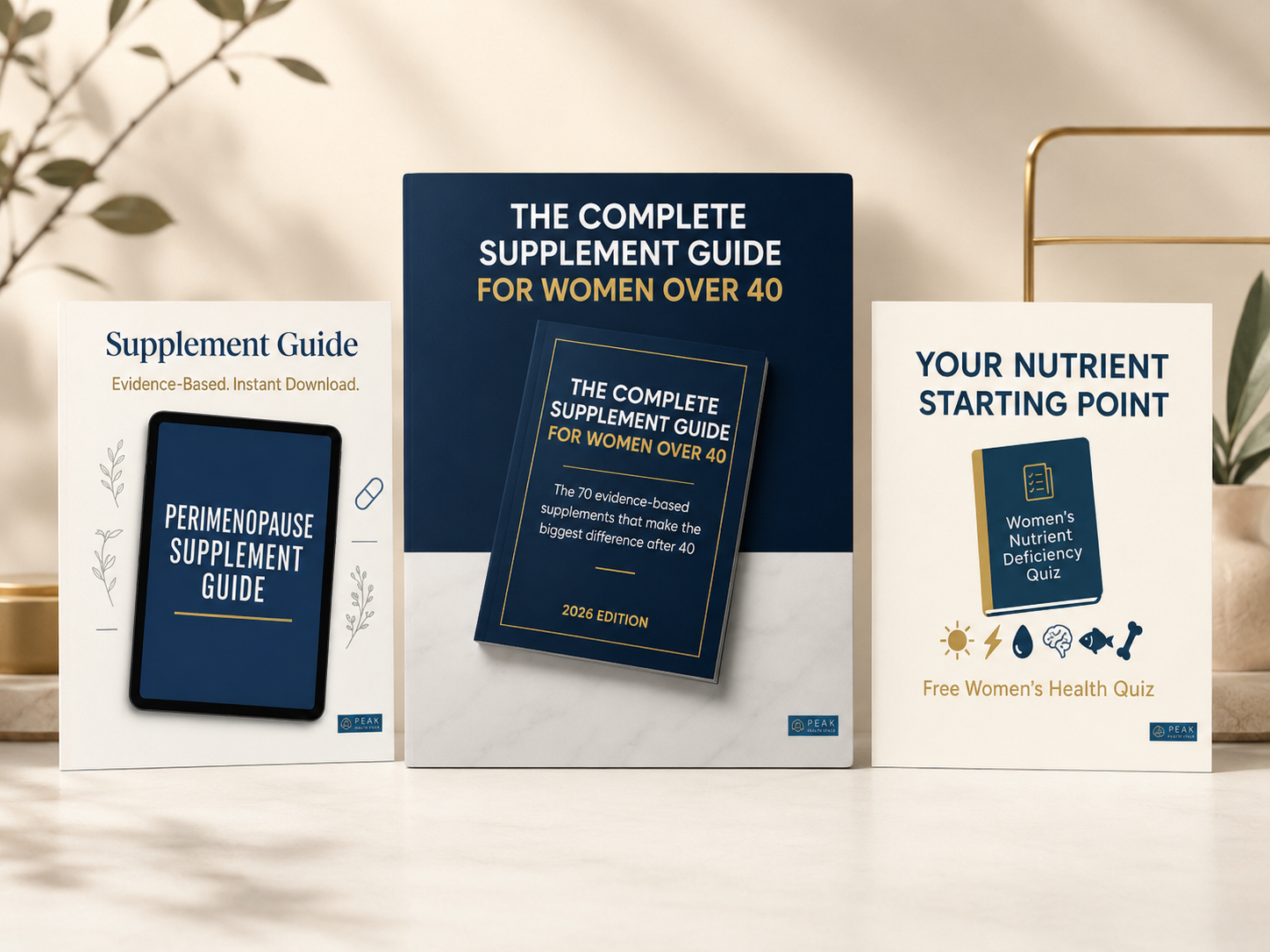
Why Women Need a More Careful Fatigue Checklist
Women are more likely to experience iron deficiency due to menstruation, pregnancy history, postpartum recovery and dietary patterns. Perimenopause can also change bleeding, sleep and stress tolerance. That means low energy deserves investigation, not just another stimulant.
The goal is not to self-diagnose. The goal is to know what questions to bring to your GP and what not to waste money on while you wait.
- Heavy or prolonged periods.
- Pregnancy or postpartum history.
- Low red meat or low animal-food intake.
- Vegan or vegetarian diet.
- Poor sleep or night waking.
- High stress, under-eating or overtraining.
- Cold intolerance, hair shedding or unexplained weight changes.
Iron vs B12 vs Vitamin D: How They Feel Different
Symptoms overlap, but the pattern can help you decide what to check. Iron-related fatigue often feels physical and heavy. B12 can involve neurological signs. Vitamin D may show up more seasonally with aches, low mood or poor immune resilience.
Again, this is not diagnosis. It is a direction finder.
What Not to Do When You Are Exhausted
When energy is low, the brain wants a quick fix. That is when bad buying decisions happen. The supplement industry knows this. It sells urgency in capsule form.
Avoid stacking stimulants on top of an uninvestigated fatigue problem. Caffeine may help you function today, but it can also hide the signal you need to understand.
- Do not start high-dose iron without checking if you need it.
- Do not assume a multivitamin will fix severe fatigue.
- Do not combine multiple energy supplements at once.
- Do not ignore heavy bleeding, chest symptoms, breathlessness or sudden severe fatigue.
- Do not use supplements to push through chronic under-sleeping and under-eating.
A Better First 14 Days
Before buying a new energy product, spend 14 days gathering better information. Track sleep, caffeine, food timing, protein, cycle day, mood, exercise, supplements and energy. This gives you more useful data and makes any GP conversation sharper.
This also naturally points readers toward Your Peak Stack and free resources because they need a system, not just advice.
When to Seek Medical Advice Quickly
Some fatigue patterns should not be treated as a supplement problem. Get medical advice promptly if fatigue is severe, sudden, associated with chest pain, fainting, shortness of breath, black stools, very heavy bleeding, unexplained weight loss, or neurological symptoms.
Trust is built by saying this clearly. Not every visitor should be converted into a customer first. Some should be directed to care. That honesty is what makes the store more credible for everyone else.
Start with the free resources first.
If you are not ready to buy yet, use the free Peak Health Stack resources to get a clearer starting point before spending money on supplements.
Free Peak Health Stack Resources
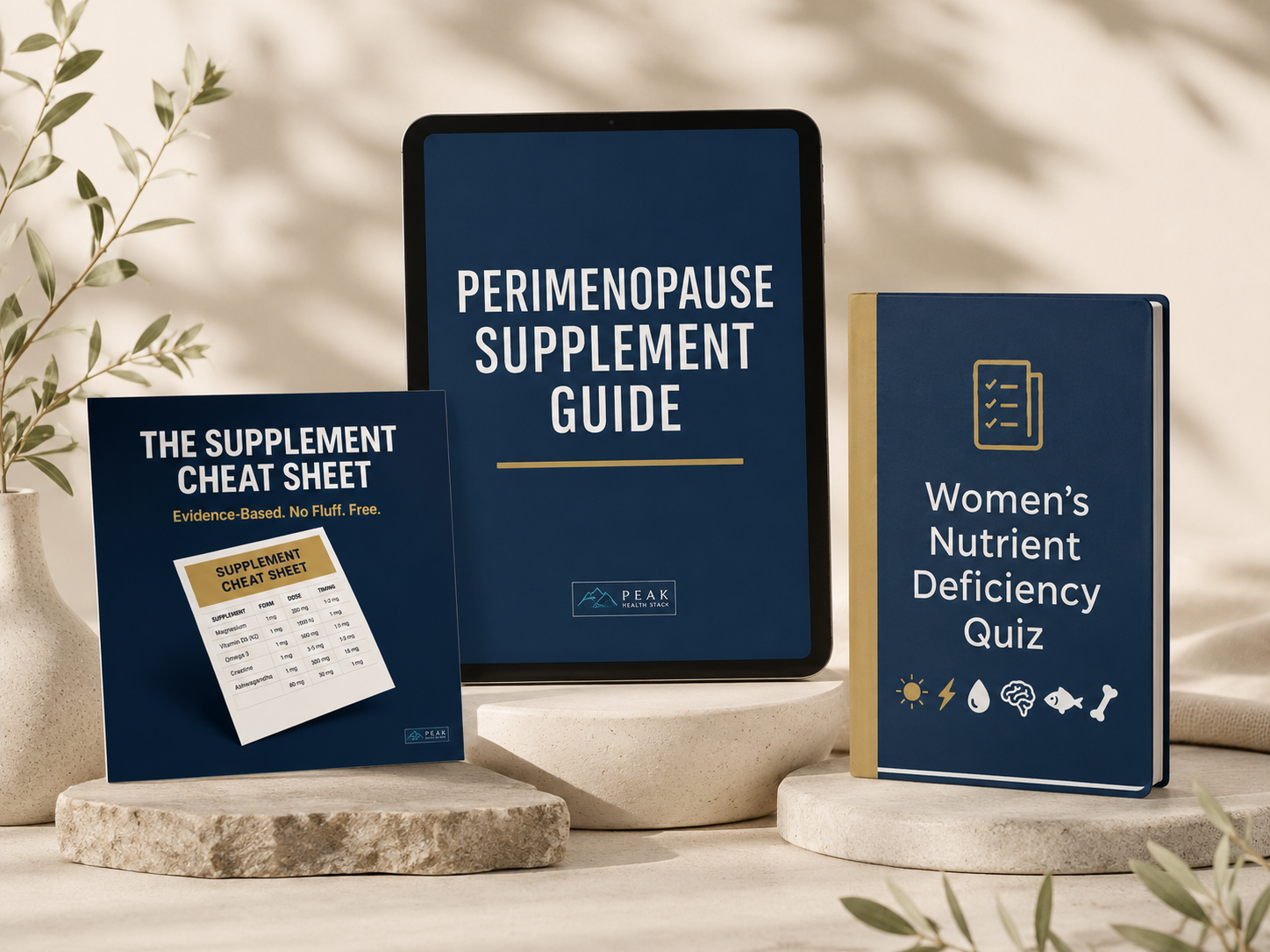
Start With Free Evidence-Based Supplement Tools
Download free guides, cheat sheets and quizzes to help you understand supplement timing, nutrient gaps, perimenopause support and smarter next steps.
Frequently Asked Questions
What deficiency causes low energy in women?
Iron deficiency, B12 deficiency and vitamin D deficiency are common possibilities, but thyroid issues, sleep, stress, under-fuelling and medical conditions can also contribute.
Should I take iron for tiredness?
Only if you need it. Iron is very useful when iron stores are low, but unnecessary iron can cause side effects and may be harmful. Ask your clinician about testing.
What is the best supplement for women’s energy?
The best supplement depends on the cause. For some women it is iron, for others B12, vitamin D, magnesium, protein or no supplement at all. Testing and tracking are better than guessing.
Final Thought
Low energy is a signal, not a product category. Treat it like a clue, check the likely causes, and use supplements only when they match the problem.
Track what is actually working.
Your Peak Stack helps you log your supplements, timing, dose and daily symptoms so you can spot what helps, what clashes, and what may be wasted spend.

Stop Guessing Which Supplements Are Actually Working.
Your Peak Stack helps you log your supplements, track how you feel, and get AI-powered insights on what’s helping, what may be wasting money, and what to adjust next.
Health note: this article is educational and is not medical advice. Speak with your GP, pharmacist, dietitian, or relevant clinician before starting supplements if you are pregnant, breastfeeding, taking medication, managing a condition, or considering iron, high-dose vitamin D, hormonal support, or multiple supplements at once.
Stop Guessing Which Supplements Are Actually Working.
Your Peak Stack helps you log your supplements, track how you feel, and get AI-powered guidance on what is helping, what may be clashing, and what to adjust next.