
Creatine Loading Phase — Is It Necessary or Just Marketing?
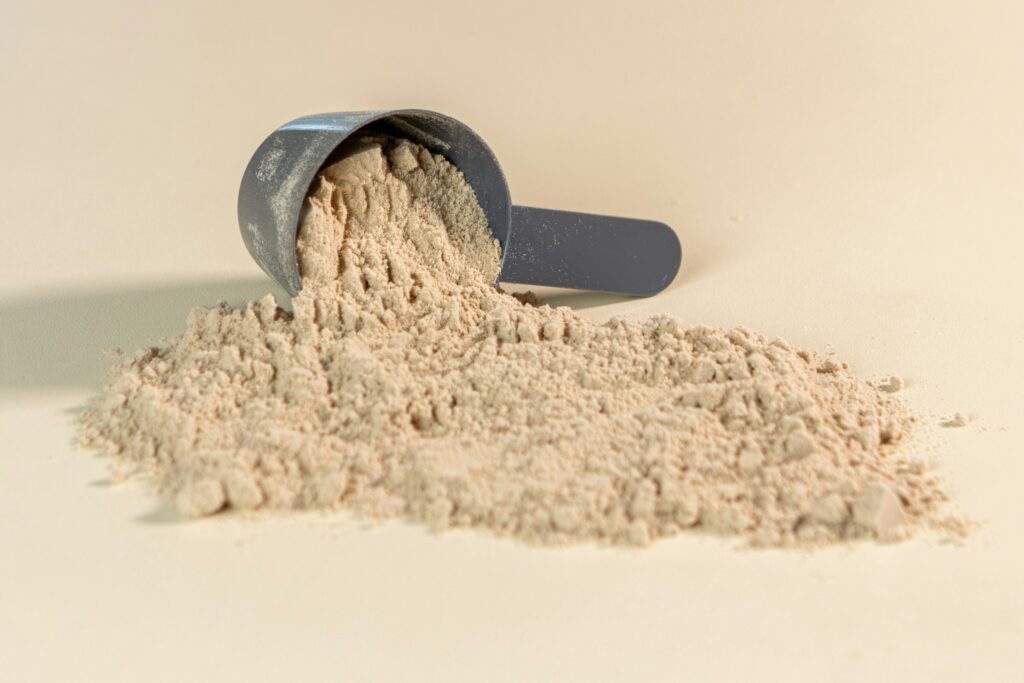
The creatine loading phase is one of the most debated topics in sports nutrition — some coaches swear by it, others say it is completely unnecessary. The evidence is actually quite clear, but the right answer depends on what you are trying to achieve and how quickly you want results. Here is what the research actually says.
Creatine works by saturating your muscle creatine stores. Your muscles can hold a finite amount of creatine phosphate, and the goal of supplementation is to fill those stores as fully as possible. The question is not whether to saturate your stores, but how fast you want to do it.
What Is a Creatine Loading Phase?
A loading protocol typically involves taking 20g of Creatine Monohydrate per day — split into four 5g doses — for five to seven days, followed by a maintenance dose of 3–5g per day thereafter. The logic is straightforward: saturating your muscle stores rapidly so you can experience performance benefits within the first week rather than waiting three to four weeks.
Multiple studies have confirmed that a loading phase does achieve full muscle creatine saturation in approximately five to seven days, compared to three to four weeks with a consistent low-dose approach of 3–5g per day. Both methods ultimately produce the same end result — fully saturated muscle stores — the loading phase simply gets you there faster.
Is Loading Actually Necessary?
If you have a specific event, competition, or training block starting imminently and want the performance benefits of creatine as quickly as possible, a loading phase makes sense. If you are supplementing for long-term performance and health benefits without urgency, simply starting with a daily 3–5g maintenance dose produces exactly the same muscle saturation within three to four weeks with far less gastrointestinal disruption.
The most common side effect of a loading phase is water retention and bloating, along with gastrointestinal discomfort from large single doses. Splitting 20g across four doses throughout the day reduces this significantly. For the majority of people supplementing creatine for general training, the loading phase adds no meaningful long-term benefit and the simpler daily 5g approach is the better recommendation.
Creatine Loading and Water Weight
Creatine draws water into muscle cells alongside the phosphocreatine it stores. During a loading phase, this can cause a noticeable and rapid increase in scale weight — typically one to two kilograms — within the first week. This is intramuscular water, not fat, and is actually part of what makes creatine effective. The increased water content in muscles supports protein synthesis and cell volume signals that drive anabolic adaptation. Athletes who compete in weight-class sports should account for this when timing creatine use around competition.
The Best Form of Creatine for Loading
Creatine monohydrate remains the only form with consistent performance backing across hundreds of studies. More expensive forms — creatine HCl, Kre-Alkalyn, ethyl ester — have not demonstrated superiority to monohydrate in head-to-head research and cost significantly more. Micronised creatine monohydrate (finer particle size) mixes more easily in water but is functionally identical. For loading or maintenance, plain Creatine Monohydrate is the recommendation — not because it is cheapest, but because it has the most evidence.
Optimising Creatine Absorption
Taking creatine with carbohydrates or protein stimulates insulin release, which drives creatine uptake into muscle cells more efficiently. Taking your maintenance dose post-workout alongside a Whey Protein Isolate shake is a practical and evidence-supported combination. Ensuring adequate hydration throughout the day is also important — creatine pulls water into muscles and dehydration counteracts this mechanism.
How Long to Supplement Creatine
Creatine is safe for long-term daily use. There is no evidence that cycling on and off is necessary or beneficial — stores simply return to baseline within four to six weeks of stopping supplementation. Many athletes supplement continuously for years without adverse effects. The largest long-term safety study to date followed participants supplementing creatine daily for four years without identifying any negative health outcomes. See our full evidence review in the does creatine actually work guide.
Related Articles
- Does Creatine Actually Work? — Full Evidence Review
- Best Supplements for Beginners
- Best Pre-Workout Supplements
- Best Protein Powder for Beginners
- Best Supplements for Men Over 40
This post contains affiliate links. If you purchase through these links, we may earn a small commission at no extra cost to you. We only recommend products we genuinely rate.