
Best Supplements for Fat Loss — What Actually Works Beyond Diet
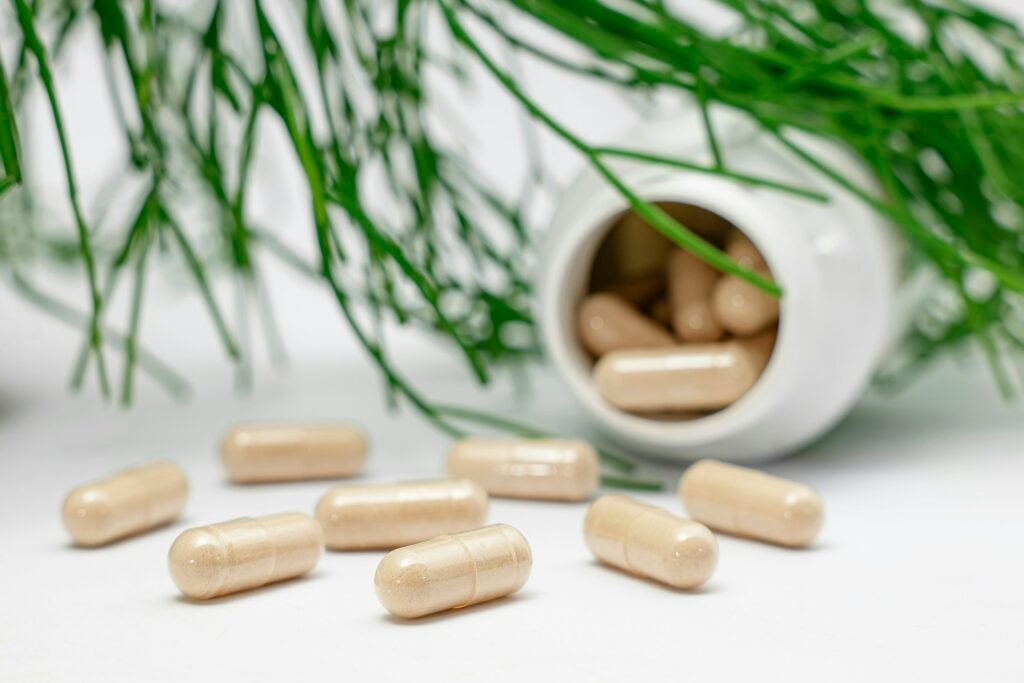
The best supplements for fat loss are not fat burners. Most commercial fat burner products are overpriced combinations of caffeine, green tea extract, and capsaicin — ingredients that are individually legitimate but packaged with inflated marketing claims at inflated prices. This guide covers the supplements with genuine evidence for supporting fat loss, what they actually do, and honest context on the size of their effects.
The most important thing to understand about fat loss supplements is that none of them override a caloric deficit. No supplement causes meaningful fat loss independently of diet. What the evidence-supported options do is make adherence easier, improve metabolic efficiency at the margins, and preserve muscle mass during a deficit — each of which is genuinely valuable when combined with a structured nutrition approach.
Protein — The Most Important Fat Loss Supplement
High protein intake is the single most important nutritional factor for maintaining muscle during a caloric deficit and for improving body composition outcomes. Protein is the most satiating macronutrient — it reduces hunger hormones and increases fullness hormones more than carbohydrates or fat at equivalent calories. A Whey Protein Isolate supplement is not glamorous as a fat loss tool, but it is more evidence-supported than any thermogenic product on the market for improving fat loss outcomes relative to lean mass retention.
Glucomannan — Appetite and Satiety
Glucomannan is a water-soluble dietary fibre derived from the konjac plant. It expands significantly in the stomach when combined with water, creating a feeling of fullness before meals. It is one of the few supplements with an approved health claim from the European Food Safety Authority specifically for contributing to weight loss when taken with adequate water before meals as part of an energy-restricted diet.
The mechanism is purely mechanical — it is not a stimulant and has no thermogenic effect. Its value is in reducing caloric intake by increasing satiety, making it easier to sustain a caloric deficit. Taking 1g three times daily with a large glass of water 30 minutes before each meal is the protocol used in most positive studies. It is well tolerated with minimal side effects beyond occasional mild bloating as gut bacteria adjust to increased fibre.
Green Tea Extract — Modest Thermogenic Effect
Green Tea Extract standardised for EGCG (epigallocatechin gallate) has a modest but real thermogenic effect. EGCG inhibits the enzyme that breaks down norepinephrine, prolonging its fat-mobilising signal. Studies have found that green tea extract combined with caffeine produces small but statistically meaningful increases in fat oxidation and resting metabolic rate — typically in the range of 80–100 extra calories per day, which accumulates to approximately 3kg of fat loss over a year if sustained. This is not transformative on its own but is a legitimate contribution when combined with diet and exercise.
Caffeine — Thermogenesis and Training Output
Caffeine Tablets support fat loss through two mechanisms: a direct, modest thermogenic effect (stimulating norepinephrine and increasing fat oxidation) and indirect support through improving training quality. Better training performance means more calories burned and greater preservation of lean mass during a deficit. The combination of caffeine with green tea extract is synergistic — EGCG and caffeine together produce larger effects than either alone.
Creatine — Preserving Muscle During a Deficit
Counterintuitively, Creatine Monohydrate is one of the most useful supplements during a fat loss phase. In a caloric deficit, the primary risk is muscle loss alongside fat loss — creatine supports high-intensity training performance and muscle protein synthesis even when calories are restricted, helping to preserve lean mass. Greater lean mass means a higher basal metabolic rate, which supports the deficit over time. The scale weight increase from water retention is temporary and does not represent fat gain.
Vitamin D — The Overlooked Weight Management Factor
Low vitamin D status is consistently associated with higher body fat percentage and impaired weight loss outcomes in intervention trials. The mechanisms are not fully established but involve effects on adipogenesis, insulin sensitivity, and leptin signalling. Correcting deficiency with Vitamin D3 K2 is a foundational step that many people in fat loss programmes overlook entirely. For a full overview of weight loss supplementation, see our related best supplements for weight loss guide.
Related Articles
- Best Supplements for Weight Loss
- Green Tea Extract Benefits
- How Much Protein Do You Need?
- Is Intermittent Fasting Worth It?
- Best Supplements for Beginners
This post contains affiliate links. If you purchase through these links, we may earn a small commission at no extra cost to you. We only recommend products we genuinely rate.