
L-Citrulline Benefits — The Pre-Workout Supplement Most People Have Not Tried
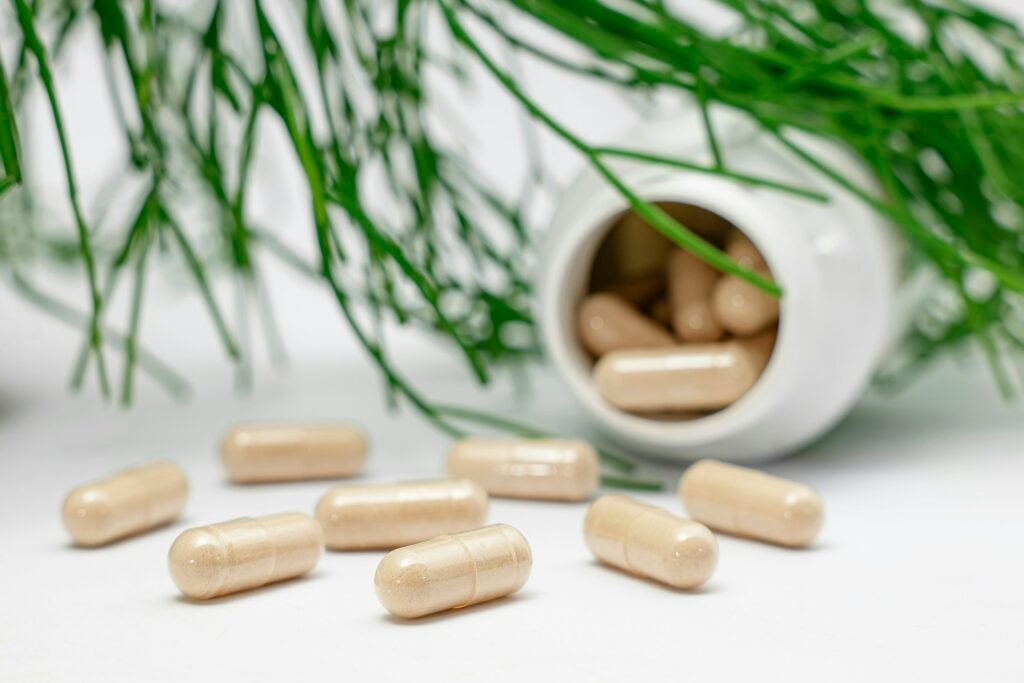
L-Citrulline benefits are consistently underrated in mainstream supplement discussions — possibly because it sits in the shadow of more heavily marketed pre-workout ingredients like caffeine and creatine. But for improving blood flow, reducing muscle fatigue, and enhancing both strength and endurance performance, L-citrulline has an impressively robust evidence base that puts it in the same tier as the most well-evidenced sports nutrition supplements.
L-citrulline is a non-essential amino acid found naturally in watermelon and produced endogenously in the body. It plays a critical role in the urea cycle for clearing ammonia from the blood, but its performance-enhancing properties come from a different mechanism entirely — its conversion to L-arginine in the kidneys, which then drives nitric oxide (NO) synthesis.
How L-Citrulline Works
Nitric oxide is a signalling molecule that relaxes the smooth muscle of blood vessels, causing vasodilation — an increase in vessel diameter that improves blood flow to working muscles. More blood flow means more oxygen and nutrient delivery and faster clearance of metabolic waste products including lactate and ammonia. The result is improved endurance, reduced muscle fatigue, and faster recovery between high-intensity efforts.
The reason L-citrulline outperforms L-arginine supplementation directly (despite arginine being the precursor to NO) is a matter of absorption. Oral L-arginine is largely broken down in the gut and liver before reaching circulation — a phenomenon called first-pass metabolism. L-citrulline is absorbed intact, converted to arginine in the kidneys, and produces significantly higher sustained blood arginine levels than arginine supplementation itself.
L-Citrulline vs Citrulline Malate
Supplements come as either pure L-Citrulline Powder or citrulline malate (L-citrulline bound to malic acid in a 2:1 ratio). Most research on exercise performance has used citrulline malate, where malate may contribute additional benefits by supporting the Krebs cycle energy pathway. However, when dose is matched for elemental citrulline content, the performance differences between the two forms appear modest. Pure L-citrulline powder allows more precise dosing flexibility.
L-Citrulline for Strength Training
Multiple randomised controlled trials have shown that citrulline malate (at 6–8g elemental citrulline) taken 60 minutes before resistance training increases total training volume — more sets and reps completed before fatigue — and reduces delayed onset muscle soreness (DOMS) 24–48 hours post-training compared to placebo. The volume increase is the most practically useful finding: being able to do more work in each session accumulates to meaningfully greater training adaptation over a programme.
L-Citrulline for Endurance Performance
For endurance athletes, L-citrulline improves time-to-exhaustion at submaximal intensities and reduces the cardiovascular effort (lower heart rate) at the same absolute workload, suggesting improved cardiovascular efficiency. It combines well with Caffeine Tablets as a pre-endurance session stack — caffeine provides the CNS stimulation and alertness while citrulline addresses the cardiovascular and muscular efficiency angle. For runners, this combination supports both pace and durability. See our best supplements for runners guide for the full endurance stack.
L-Citrulline for Blood Pressure
Beyond athletic performance, L-citrulline has a secondary application for cardiovascular health. Consistent supplementation has been shown to modestly reduce resting systolic blood pressure in individuals with mild hypertension or elevated cardiovascular risk — an effect mediated by the same NO-driven vasodilation mechanism that improves exercise blood flow. This is a useful secondary benefit for older active individuals using citrulline for training performance.
Dosing Protocol
The research-supported dose is 6–8g of pure L-citrulline or 8g of citrulline malate (2:1 ratio) taken 60 minutes before training. Lower doses of 3–4g show some benefit but produce smaller effects. It can be taken daily without tolerance developing. It has no stimulant effect and does not need to be cycled. It stacks well with Creatine Monohydrate and Whey Protein Isolate as a comprehensive performance nutrition stack. For a full overview of pre-workout ingredients, see our best pre-workout supplements guide.
Related Articles
- Best Pre-Workout Supplements
- Best Supplements for Runners
- Does Creatine Actually Work?
- Best Supplements for Men Over 40
- Best Supplements for Energy
This post contains affiliate links. If you purchase through these links, we may earn a small commission at no extra cost to you. We only recommend products we genuinely rate.