Protein Powder for Women Over 40 — What to Buy and What to Avoid
protein powder for women over 40 is one of the most useful searches someone can make before buying another supplement, because it usually means they are ready to act but unsure what is safe, worthwhile, or right for them. This guide gives you the practical, evidence-aware version: what matters, what to check first, what to avoid, and when a paid guide or tracker can save you from expensive guesswork.
Protein powder for women over 40 is often marketed like a beauty accessory: pastel tubs, collagen halos, metabolism promises and “lean tone” language. The real reason protein matters is less sparkly and more important: muscle, bone, appetite, recovery and healthy ageing.
Want the women’s version with less guesswork?
Browse the Peak Health Stack women’s guides for practical, evidence-aware resources on energy, hormones, perimenopause, nutrient gaps and daily routines.
Women’s Health Guides
Not Sure Which Supplements Actually Matter?
Start with our evidence-based women’s guides and free nutrient quiz. Built for energy, hormones, sleep, bones and everyday health after 40.
Explore Women’s Guides →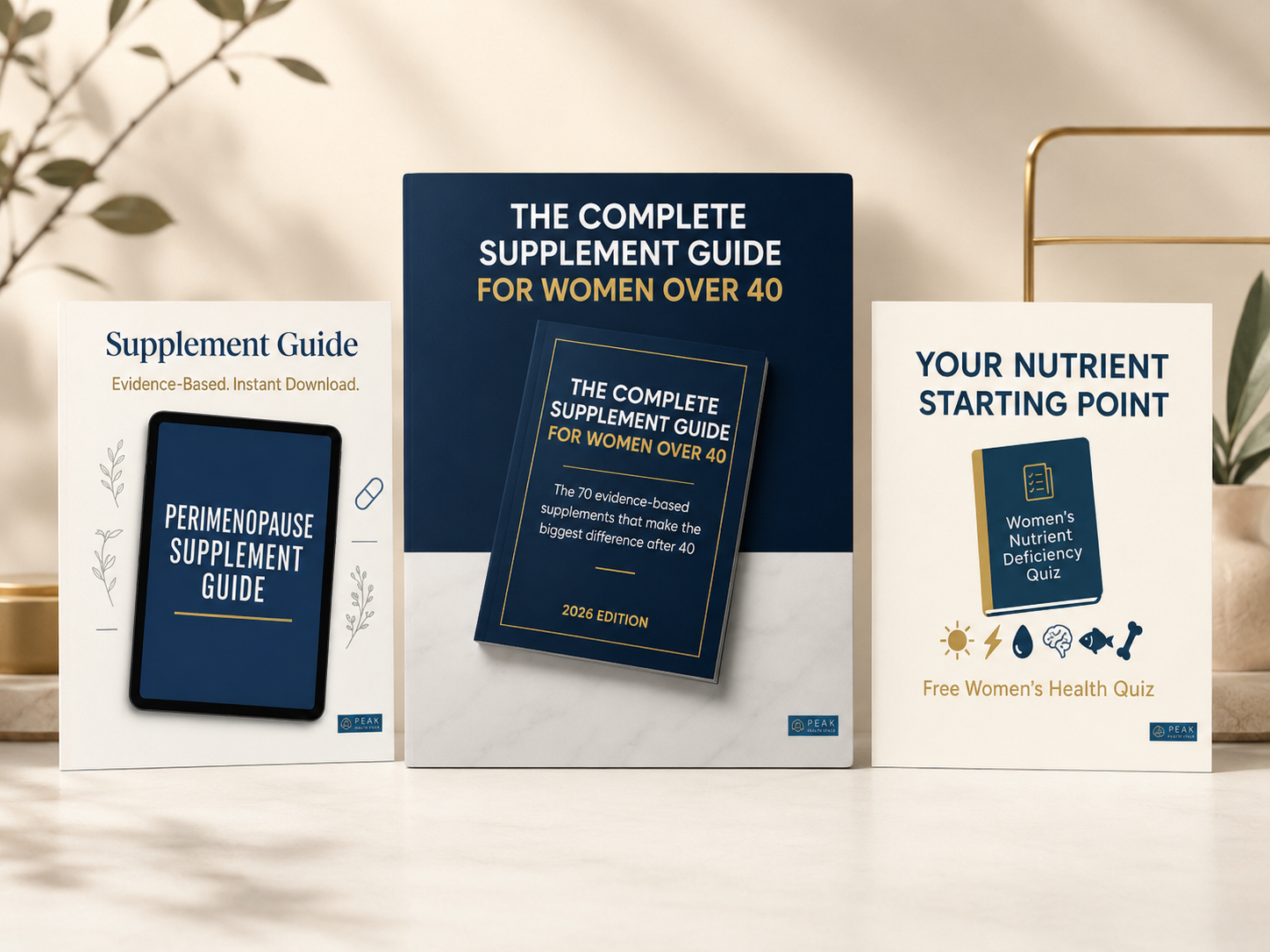
Why Protein Matters More After 40
From your 40s onward, protecting muscle becomes a health strategy, not just a fitness goal. Muscle supports strength, glucose control, mobility, injury resilience and metabolic health. Perimenopause and menopause can make body composition feel more stubborn, which makes protein and resistance training more important.
Protein powder is not magic. It is convenience. If it helps you hit your protein target without relying on snacks, it can be extremely useful.
- Supports muscle maintenance when paired with resistance training.
- Helps with satiety and meal structure.
- Supports recovery from exercise.
- Can make breakfast more filling.
- Can help during busy weeks when whole-food protein is inconsistent.
Whey vs Plant Protein for Women Over 40
Whey is usually the easiest choice if you tolerate dairy. It is rich in essential amino acids and leucine, which makes it excellent for muscle protein synthesis. Whey isolate is lower in lactose and often easier to digest than concentrate.
Plant protein can also work well, especially pea, soy or blends designed to provide a complete amino acid profile. The main issue is dose and digestibility, not whether plants are “good enough”.
What to Avoid
The biggest trap is buying a “women’s protein” that is really a low-protein diet powder with a pretty label. Check the protein per serving. If it gives you 10g protein and a parade of added herbs, it is probably not solving the main problem.
Also be careful with products that blend protein with fat burners, laxatives, detox ingredients or hormone claims. Protein powder should be boring enough to trust.
- Less than 20g protein per serving unless intentionally used as a small top-up.
- Proprietary metabolism blends.
- Added stimulants.
- Detox or flat-tummy claims.
- Very high sugar for a daily powder.
- Tiny tubs with luxury pricing and low protein content.
How Much Protein Should You Aim For?
Exact needs depend on body size, training, health status and goals. Many active adults do well with a protein target spread across the day rather than one giant dinner serving. A practical starting point is protein at each meal, then use powder only to fill the gap.
For women over 40, pairing protein with resistance training is the multiplier. Protein provides materials; training gives your body a reason to keep and build muscle.
Conversion Angle for Peak Health Stack
This topic is a strong bridge to Women’s Guides and All Guides because it is practical, purchase-adjacent and trust-building. Readers are actively considering what to buy. The article should help them avoid wasting money, then point them toward a structured guide.
Your Peak Stack also fits if they are already using protein, creatine, magnesium and other supplements and want to connect the routine to energy, sleep, training and digestion.
Need the full step-by-step version?
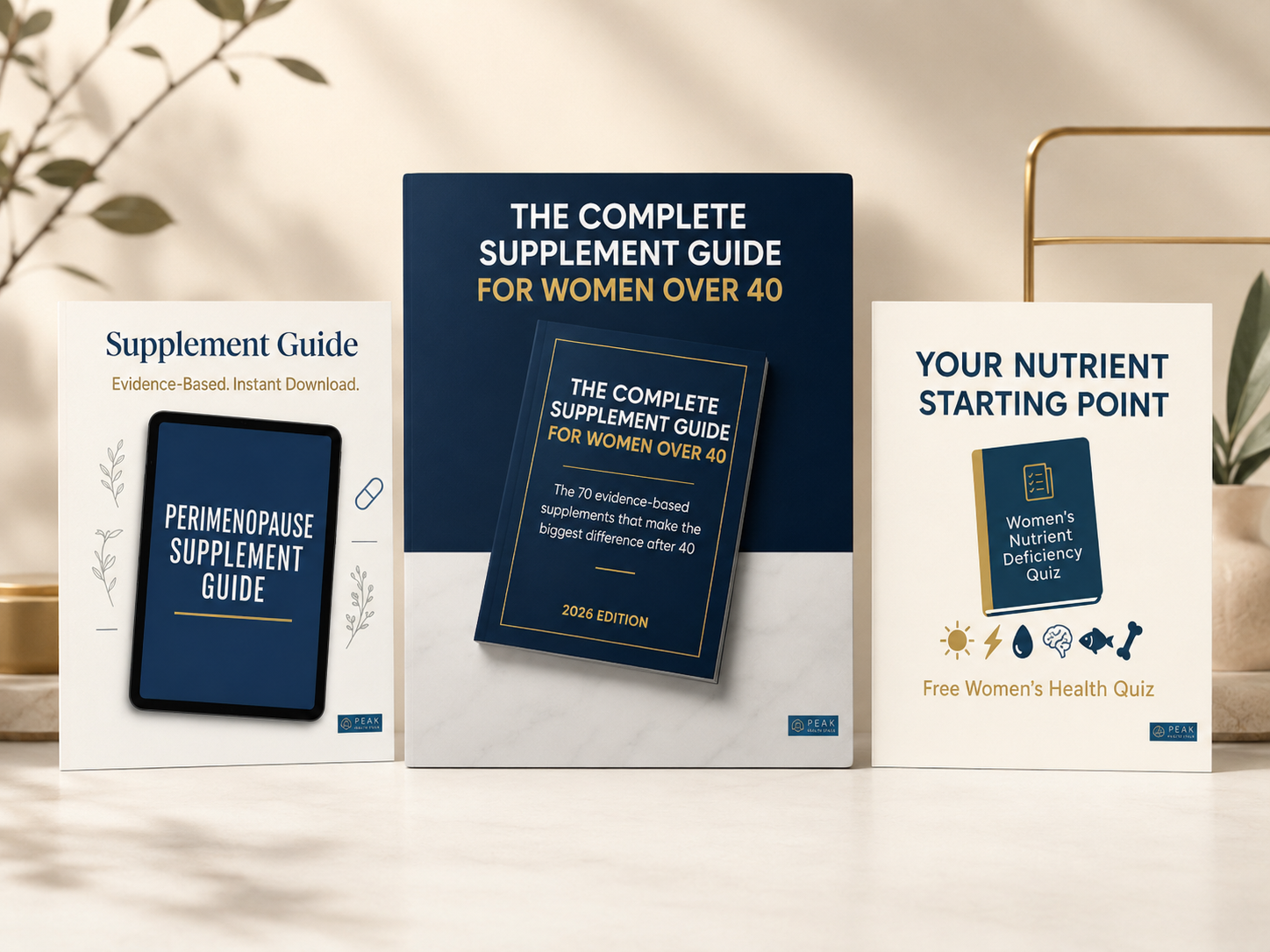
Browse all Peak Health Stack guides for practical checklists, supplement timing plans, women’s health resources and evidence-based workbooks.
Evidence-Based Health Guides
Practical Health Guides for Smarter Supplement Choices
Browse evidence-based guides, workbooks and free resources for supplement timing, forms, nutrient gaps, women’s health, energy and everyday performance.
Frequently Asked Questions
Is whey protein safe for women over 40?
For most healthy adults who tolerate dairy, whey protein is a convenient way to increase protein intake. People with kidney disease, allergies or medical conditions should get individual advice.
Is collagen protein enough for women over 40?
Collagen can support connective-tissue goals, but it is not ideal as the main protein source for muscle support because it is not a complete protein in the same way as whey or some plant proteins.
Should protein powder replace meals?
Usually no. It works best as a protein top-up, not a full diet strategy, unless used as part of a clinician- or dietitian-guided plan.
Final Thought
The best protein powder for women over 40 is not the prettiest tub. It is the one that helps you hit your protein target, supports training, digests well and does not pretend to be a hormone-reset miracle.
Build your health stack with less guesswork.
Visit the Peak Health Stack store for guides, workbooks and free resources built to help you choose better, track better and avoid wasting money.
Health note: this article is educational and is not medical advice. Speak with your GP, pharmacist, dietitian, or relevant clinician before starting supplements if you are pregnant, breastfeeding, taking medication, managing a condition, or considering iron, high-dose vitamin D, hormonal support, or multiple supplements at once.

Stop Guessing Which Supplements Are Actually Working.
Your Peak Stack helps you log your supplements, track how you feel, and get AI-powered guidance on what is helping, what may be clashing, and what to adjust next.